Smash Ball How to Catch and Throw
Pickup, catch, aim, and smash �?the offense loop that wins Smash Ball trades.
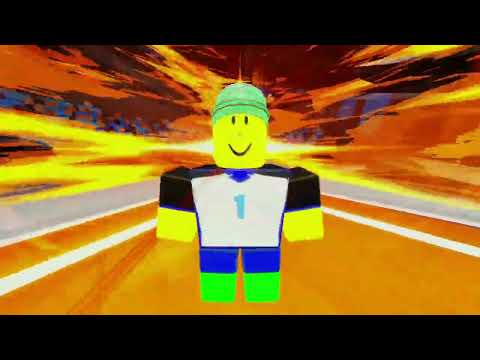
In Smash Ball, the glowing cyan energy ball is the entire economy. If you cannot pick it up, catch it, aim it, and smash it, you are just a moving health bar waiting to be deleted. This guide focuses on the offense half of the first-person dodgeball loop used in yacti’s arena: acquire the ball, settle the FPS crosshair, throw with intent, then prepare to catch or dodge the return. Pair it with Controls for device inputs and How to Dodge for the defense that keeps you alive between possessions.
Pickup versus catch
Players mix these up on day one.
Pickup means collecting a ball that is already on the ground or otherwise free in the world. Walk or strafe into position, face the glow, and complete the pickup interaction cleanly. Do not spam unrelated inputs while standing on top of it.
Catch means intercepting a ball that is already in flight �?often one someone just threw at you or across your lane. Catch timing is a skill check: you need the ball in a catchable window, your facing roughly correct, and the composure not to flinch into a bad animation.
Both actions feed the same next step: you now have a smash ready. Community discussions and script feature lists constantly mention catch, throw/hit, pickup, and aim together because that chain is the real game.
Aiming with the crosshair
Smash Ball’s first-person crosshair is your truth. Tips that actually help:
- Aim center mass first. Torso shots are more consistent than trying for tiny head flicks while everyone strafes.
- Lead moving targets slightly in the direction they are running, especially across open neon lanes.
- Settle before release. A half-beat of stability beats a panic flick that gifts the ball to the lobby.
- Throw while strafing when safe �?planting your feet makes you easy return fodder if you miss.
- Check health before greedy angles. Low health means take the high-percentage smash, not the cinematic one.
The industrial cyan lighting can hide silhouettes at distance. If you cannot clearly see a player outline, close distance or wait rather than yeeting a blind throw into fog and neon.
The smash / throw / hit
Once the ball is yours, your job is damage. A good throw has three qualities:
- Clear target selection �?you know who you are hitting and why (threat, low health, isolated player).
- Clean release �?crosshair on target, not on the floor or skybox.
- Follow-through plan �?you already know whether you will chase the rebound, fall back to cover, or prepare a catch if they return it.
Do not treat every possession like a must-score highlight. Sometimes the correct smash is a pressure throw that forces an opponent out of a power position even if it does not eliminate them. Watch the Players Remaining counter: early round, you can take more experimental angles; late round, every miss is expensive.
Catch drills that transfer to real rounds
Drill A �?Face the threat. When a ball is coming at you, turn toward it instead of turning away. Catches need facing more often than people think.
Drill B �?Hands before hero jump. Jumping wildly can ruin catch windows. Move laterally first; jump only if the trajectory clearly demands it.
Drill C �?Catch then micro-aim. The moment after a successful catch is when many players panic-throw into a wall. Count a short beat, find a torso, then smash.
Drill D �?Loose-ball discipline. After any miss (yours or theirs), race the rebound path with your crosshair already hunting the next target.
Common offense mistakes
- Pickup greed in the open �?sprinting onto a mid-arena ball while three crosshairs watch you.
- Staring at your own feet after pickup �?look up; the fight is at eye level.
- Tunnel vision on one rival while a third player lines you up.
- Throwing the instant you catch with zero aim settle.
- Ignoring the round timer and holding a ball forever without pressure when you need eliminations.
Mid-fight decision tree
Use this quick tree when the neon gets loud:
- Do I have the ball? No �?path to grounded glow or prepare catch/dodge. Yes �?go to 2.
- Is my health low? Yes �?safer angle or disengage after a quick pressure throw. No �?go to 3.
- Is my target isolated? Yes �?settle crosshair and smash. No �?threaten the strongest immediate threat or break line of sight.
- Did I miss? Yes �?contest rebound or reset to cover. No �?prepare for return catch or next pickup.
How offense links to survival and winning
Catch-and-throw is not separate from dodging. Every throw you send can come back. Every pickup you take happens in someone else’s aim cone. Read How to Dodge so your feet protect your hands, then graduate to Tips to Win for positioning and clutch habits. If inputs still feel awkward on your device, revisit Controls. For first-session orientation, stay anchored to Getting Started and the Guides Hub.
Fair-play note on scripts
Some community tools advertise automated catch, throw, dodge, pickup, or aim assistance. This wiki documents those feature names only as evidence of what the game’s interaction set includes. Using unauthorized clients can risk your Roblox account. Learn the manual catch-and-throw skills here; treat Scripts as a research topic with safety warnings, not as a required path to improvement.
Session goals
- Land three intentional torso smashes in a session without panic release.
- Complete two clean catches that you convert into aimed throws.
- Win one rebound race to a grounded ball after a miss.
- Finish at least one round with a ball possession in the final few Players Remaining.
When pickup, catch, aim, and smash feel boringly consistent, you are ready to win more rounds. Consistency beats chaos in Smash Ball’s eight-player neon cage.
Frequently Asked Questions
Quick answers for Smash Ball players.
What is the difference between pickup and catch?
Pickup collects a free or grounded ball. Catch intercepts a ball already in flight when your timing and facing are right.
Where should I aim in Smash Ball?
Start with center mass / torso using the FPS crosshair. Lead moving targets slightly and settle briefly before release.
Why do I keep missing after a catch?
You are likely panic-throwing. After a catch, take a short beat, place the crosshair on a torso, then smash.
Should I always throw immediately when I get the ball?
No. Prefer a stable aim window and a clear target. Holding briefly while strafing to cover is often better than a blind release.
Do scripts replace learning catch and throw?
No. Manual timing still matters, and unauthorized tools can risk your account. Train the real loop: pickup, catch, aim, smash.